They were only ever meant to be a temporary fix.
Across Northern Ireland, several thousand pre-fab homes were shipped from England to address the housing crisis in the years after World War Two.
They sprang up in far-flung locations and were no stranger to us right here in Armagh.
Quickly assembled, they provided essential accommodation for families as a country struggled to get back on its feet.
The ‘make do and mend’ mindset of the war years carried on and these new homes were designed to allow people to do just that… ‘make do’.
It was thought then that they would provide a roof over the heads of families in an emergency situation and were not really expected to remain beyond a decade.
But eight full decades later and the pre-fabs – ‘Tin Town’, as often called – are still standing proudly in their place.
In Armagh, three distinct pockets appeared, all within a mile of one another.
There were 20 pre-fabs constructed at Daire’s Willows, just off the Cathedral Road, a further 20 at Lonsdale Gardens and more still ‘just up the lane’ at Lisanally Gardens.
Incredibly, while a few have now gone, the remainder are all still serving the purpose for which they were brought here – providing much-needed homes for families, with some now witnessing third and fourth generations raised within their aluminium walls.

Professor Paddy Gray – fond memories.
Paddy Gray, Professor Emeritus in Housing at Ulster University, is one of those who called them home.
Raised by his mother alongside his three brothers, they lived at Daire’s Willows, and he has fond memories of growing up there and the real sense of community which existed.
“In those days we played outside all the time,” Professor Gray told Armagh I.
“The houses all came with gardens and ours had two at the front – separated by a path – a long garden at the side and two at the back. Having the gardens, of course, we used them as football pitches. In fact, we had different names for each garden, whether it was Wembley or Hampden Park or Windsor.
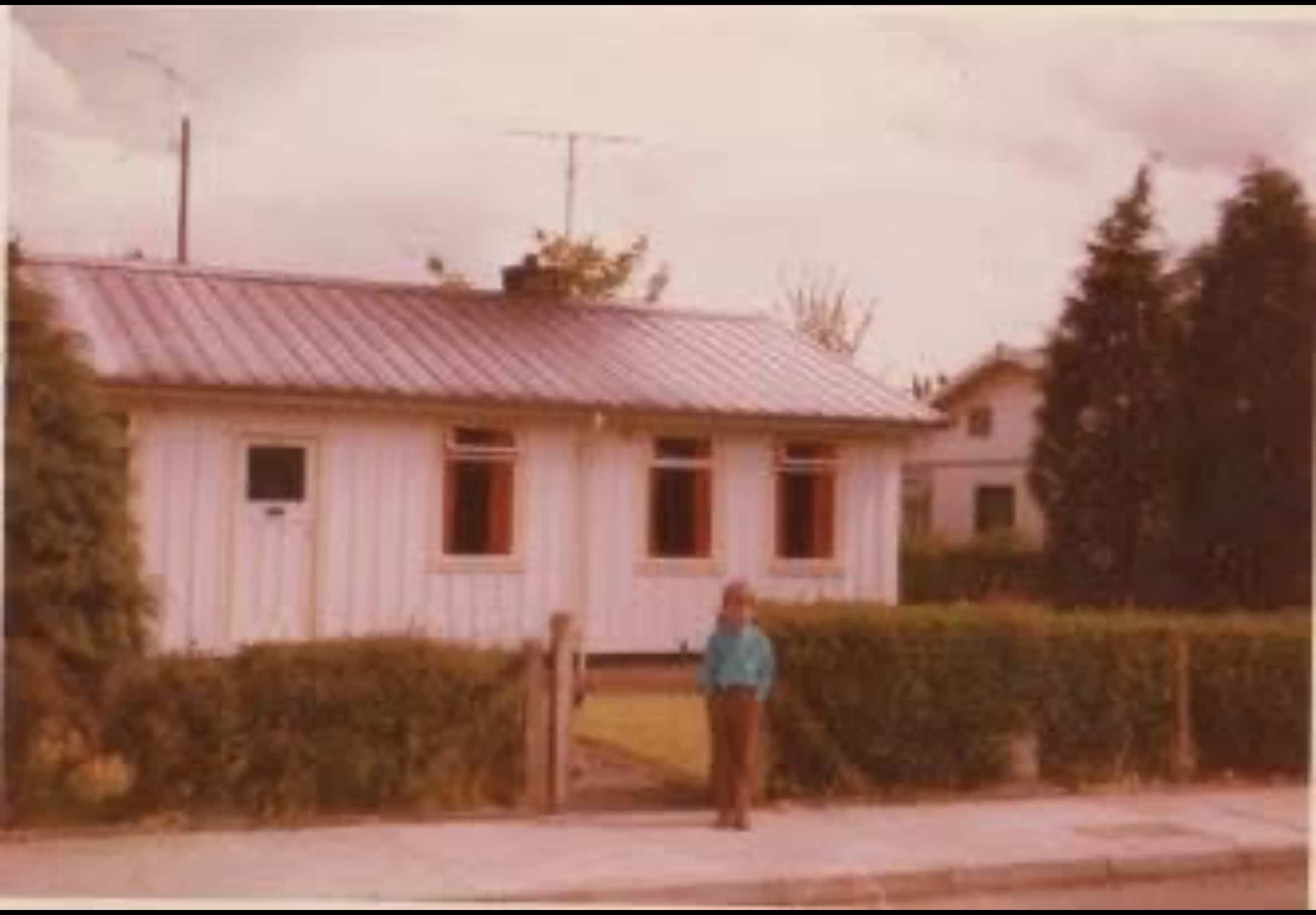
A great place to be young in Daire’s Willows.
“There were a lot of kids about. People had a little larger families. One of the houses in particular, I can’t remember the exact number, but I think there were 16 in a pre-fab house where you can hear everything! I don’t know where they all slept.”
In each of the ‘Tin Towns’ of Armagh, residents had their own names for their area. For Paddy Gray and his brothers, they were ‘the Willows’; at Lonsdale Gardens, you could have heard them collectively called ‘the Bungalows’.
While alterations and adaptations have taken place over the years to extend the life nobody thought they would have, the inclusion of double glazing, insulated walls and central heating were certainly futuristic fantasies in the era in which they were built.
For Professor Gray, boyhood recollections are of the cold and struggling to keep warm…
“They were standard but they didn’t have heating to begin with,” he explained. “I remember the icicles in the windows in the winter and you’d be touching them. They had an open fire but then they didn’t have, from memory, central heating or anything.
“The floors were cold, no carpets. In those days, people used oilcloth, as they called it. There was a coal bunker inside, which wouldn’t be there anymore in any of them.
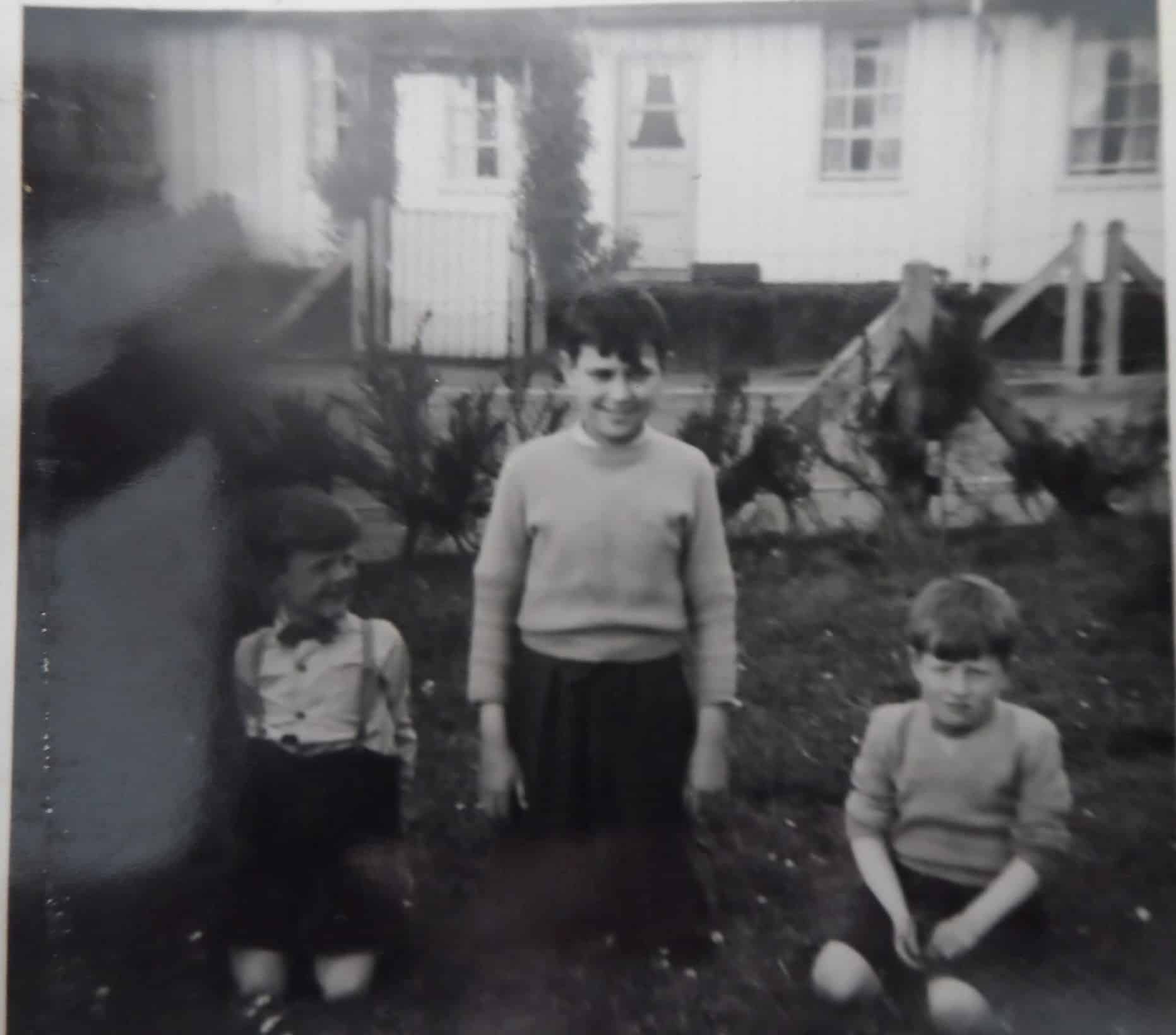
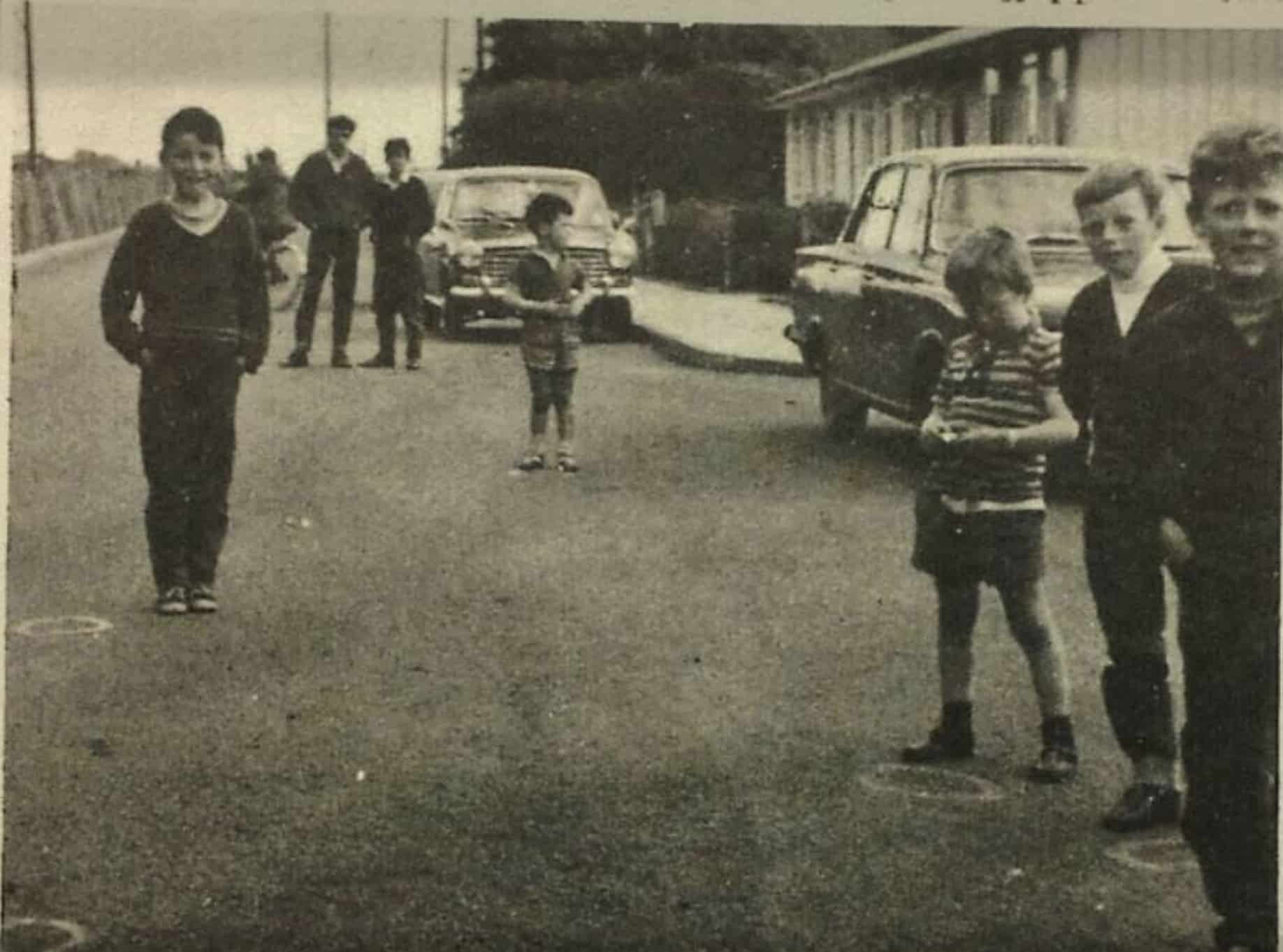
Children pose for the camera at Daire’s Willows.
“At night time we used to use glass lemonade bottles as hot water bottles which obviously, health and safety wise, wouldn’t have been a great thing for kids to have, but that’s what we had, plus coats over the beds for extra heat.
“They were spacious inside and the living room and the hall were quite large. They had three bedrooms, one small, but two larger ones. Also an indoor bathroom, but the downside would have been the heating and the coldness in the winters.
“It was like living in a tent when you could have heard the rain on the roof. But all of this never bothered us. It was exciting listening to the rain knowing you were protected from it.”
With plenty of open space around, there were boundless opportunities to explore and play in and around Daire’s Willows.
And for Professor Gray, whose formative years were spent there in the 1960s and ‘70s, there is much to treasure in bringing those days to mind.
“The memories were good, people coming in and out of each other’s houses. There was a real sense of community living there at that time,” he said.
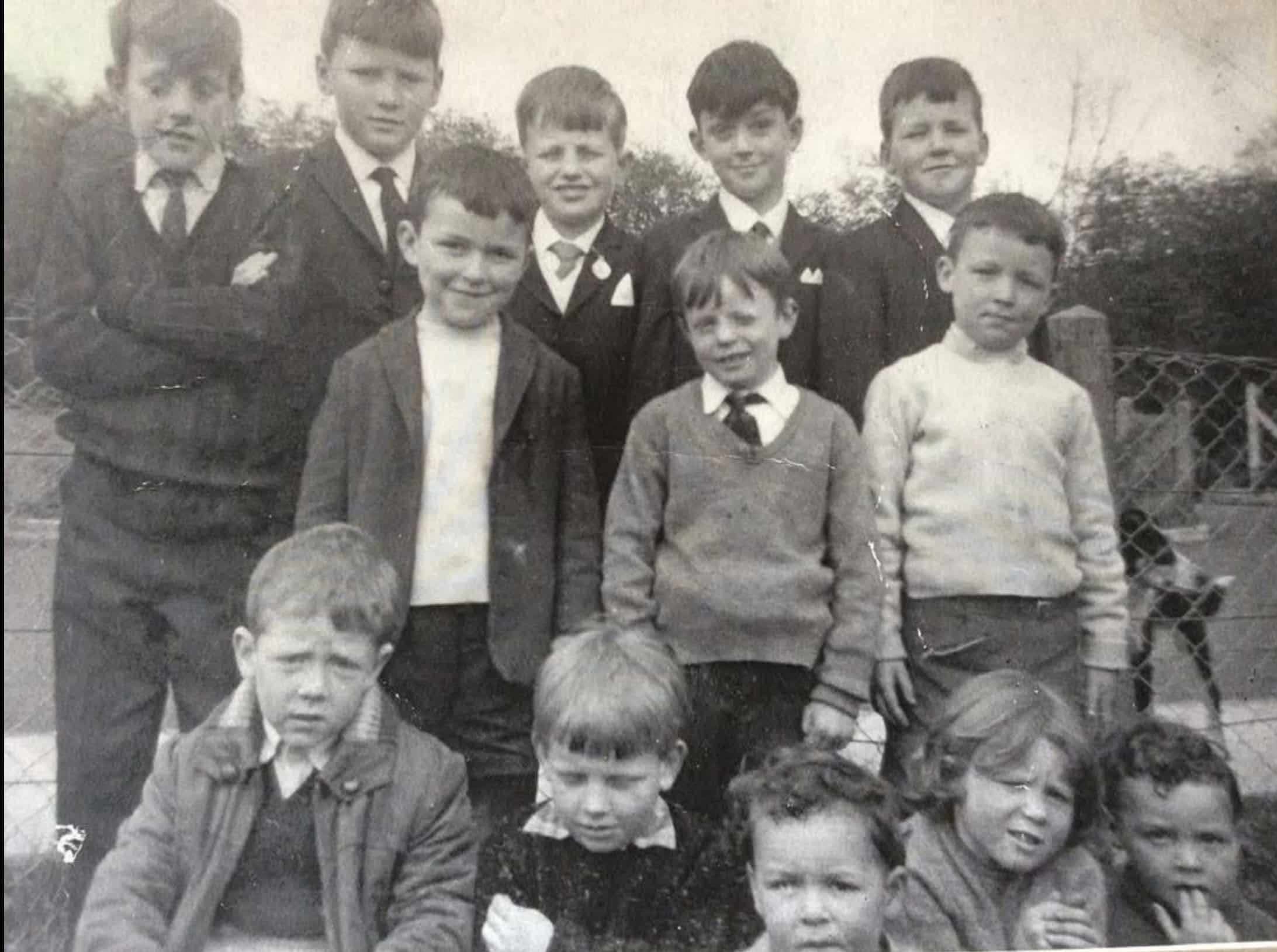
A young Paddy Gray and other children who grew up in Daire’s Willows.
“There were two parts to Daire’s Willows. The upper part consisted of eight houses, then you came around a corner – we actually called it ‘the corner’ as it was a meeting place – and the lower part began at number 9, our house, onwards to number 20.
“It was close to the graveyard as well and our location meant we could watch the funerals coming past. It was a great vantage point for my mother to sit at the kitchen window.
“The children all played with each other or fought with each other. There was a football field nearby within the grounds of St Patrick’s College. There was a little farm that was owned by the College and run by the Dalys. There was lots of space, lots of running around, lots of outside activities. All great memories.”
Today Professor Gray is an expert authority on housing strategy and social policy, both nationally and internationally, and regularly references his ‘Tin Town’ upbringing at conferences and lectures.
Back in 2014, he led a BBC programme on the pre-fab phenomenon and today is as proud as ever to speak of his Daire’s Willows roots.
So is he surprised then they have not only stood the test of time but exceeded all expectations in that they still exist today?
“I am and I’m not,” is his speedy response. “At that time I wouldn’t have known what their lifespan was. It was only when I started looking into them I realised that they were meant to be there for 10 years, that they were part of the post-war shortage of housing.
“They featured a lot around England, in particular, but ours from memory again were actually shipped across from England.
“When I was originally researching where many of them have gone now, some people told me that they took them up to Donegal and had used them as a holiday home.
“In the programme that I did for the BBC, we looked at two places in Belfast, Nationalist and Loyalist areas. The houses are gone from there now, but the people living in those areas had fond memories of them. I remember one person in particular crying as he recalled living in one of them.
“I’m surprised they’re still there now 80 years later. The biggest feature for me, I suppose, is the fact that there are now third generation families living in many of them. Children and grandchildren now living there where their parents and grandparents grew up.”
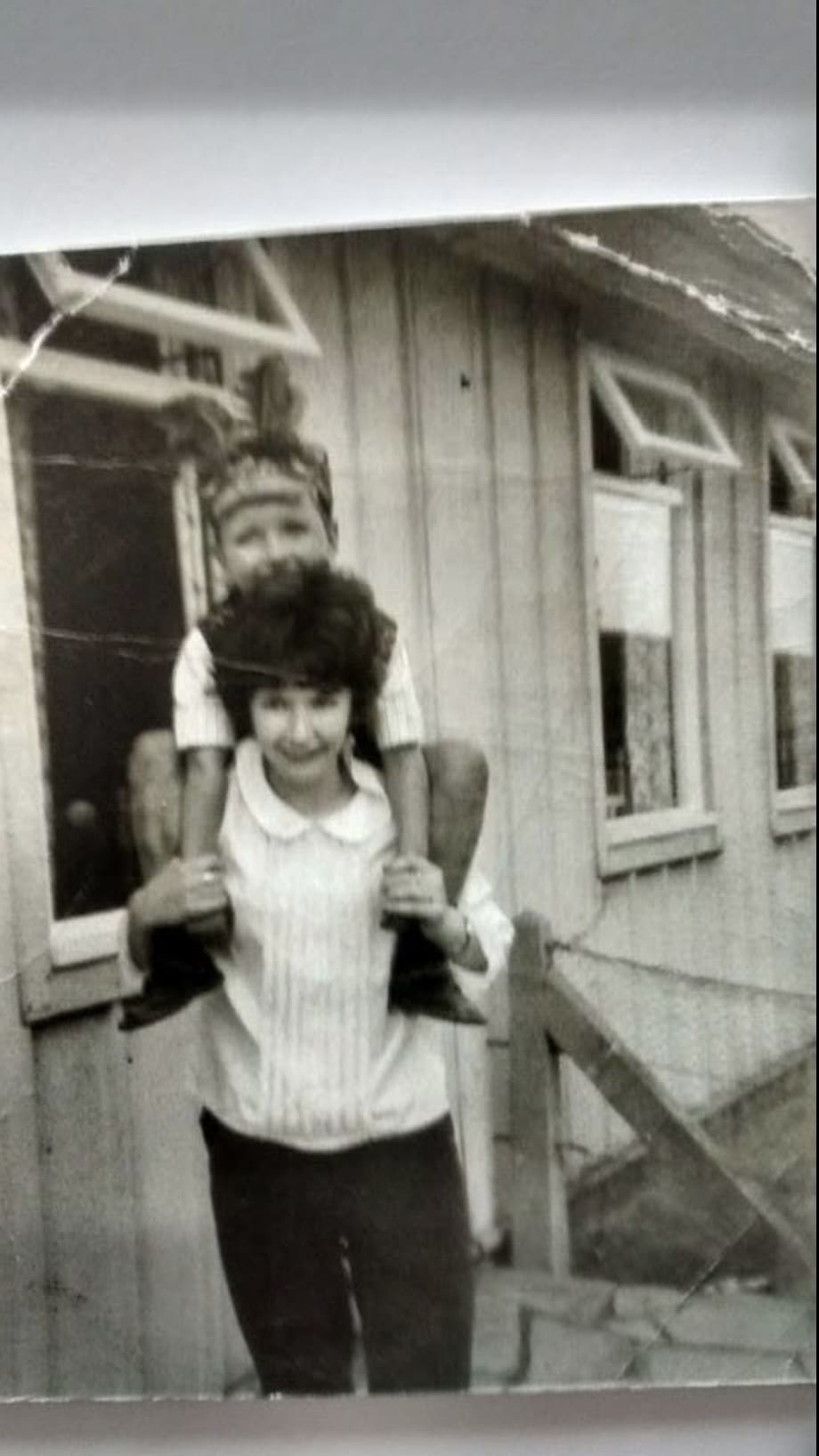
Memories to treasure growing up in one of Armagh’s ‘Tin Town’ developments.
To ‘bag a bungalow’ of the pre-fab variety back when they first went up was a comfort and godsend for all.
And they were certainly ahead of their time, given the inclusion of, shall we say, ‘indoor amenities’, given the standard of many other properties of the day…
“Standards wouldn’t have been great because you had a lot of the old type housing with outside toilets,” explained Professor Gray. “For people getting those (pre-fabs), an inside toilet was a big feature for them. And getting that amount of space. A lot of the housing at the time was in poor repair. Getting a pre-fab was a big thing at the time.
“In the 50s, after the post-war period, housing wasn’t in a great state, although a lot of new housing was being built by the Housing Trust. Indeed in the 1970s, one in five houses were unfit for human habitation right across Northern Ireland. The Housing Trust made a considerable impact, as did the NI Housing Executive that was set up in 1971.”
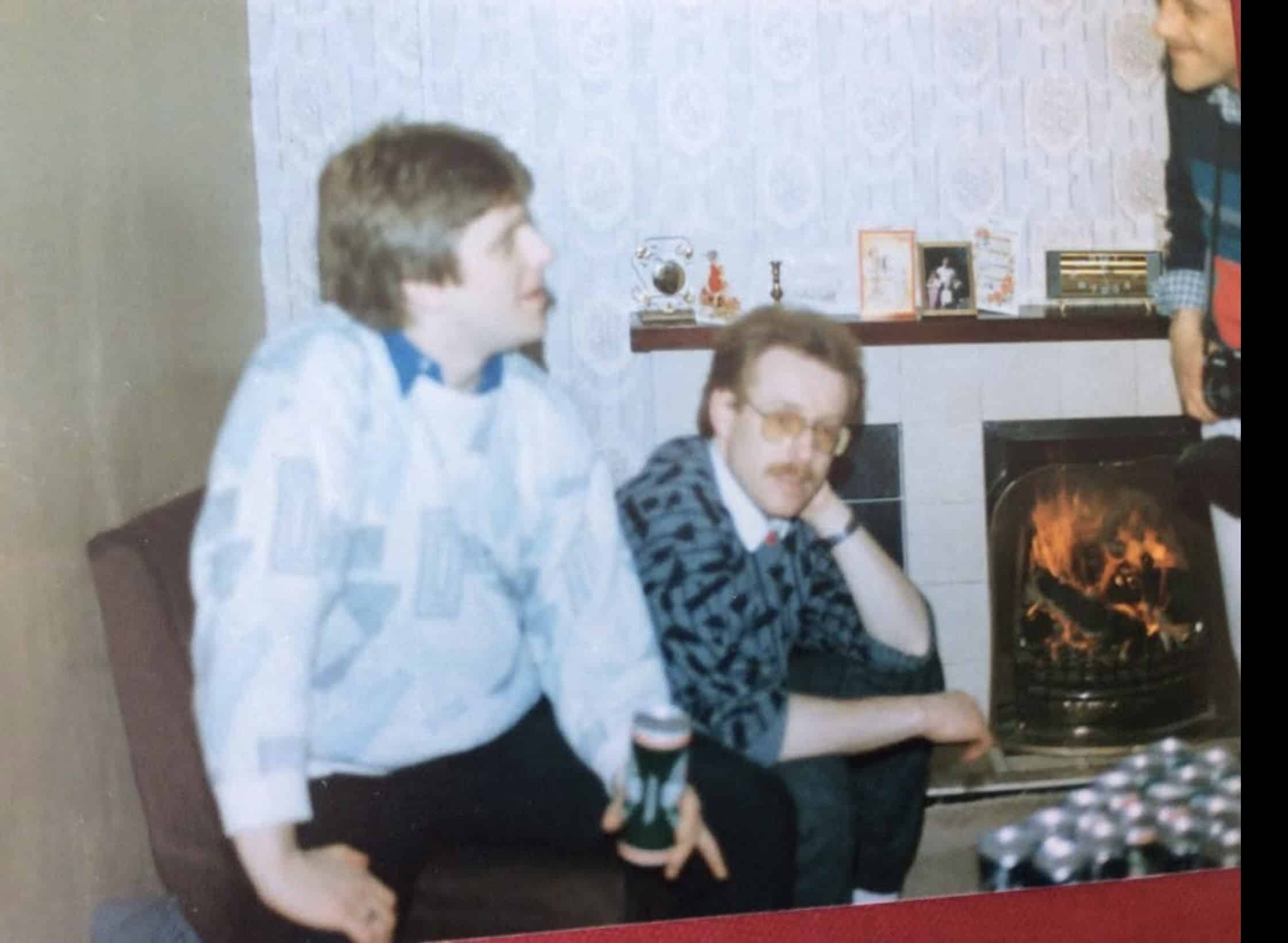
There was a real sense of community in Daire’s Willows – and an open fire!
Many of the estates which are now considered to be ‘established’ in Armagh were only ideas on paper – if even – when the pre-fabs sprouted up.
But when other ‘bricks and mortar’ homes began being built some might look down at those who called the pre-fabs home.
Indeed, the term ‘Tin Town’ was often considered an insult, a cruel put-down, a commentary on standing and circumstance.
But Professor Gray is proud of the moniker.
“I grew up in a single parent fanily with my three brothers. We are incredibly proud of our mother who reared us on her own with very little support. She worked in three jobs to keep us clothed and fed. That was an incredible achievement, particularly during the worst of the ‘Troubles’
“Education was her mantra to get us all through life to where we are today. I am always so proud to mention her whenever I’m speaking at major events across the world.
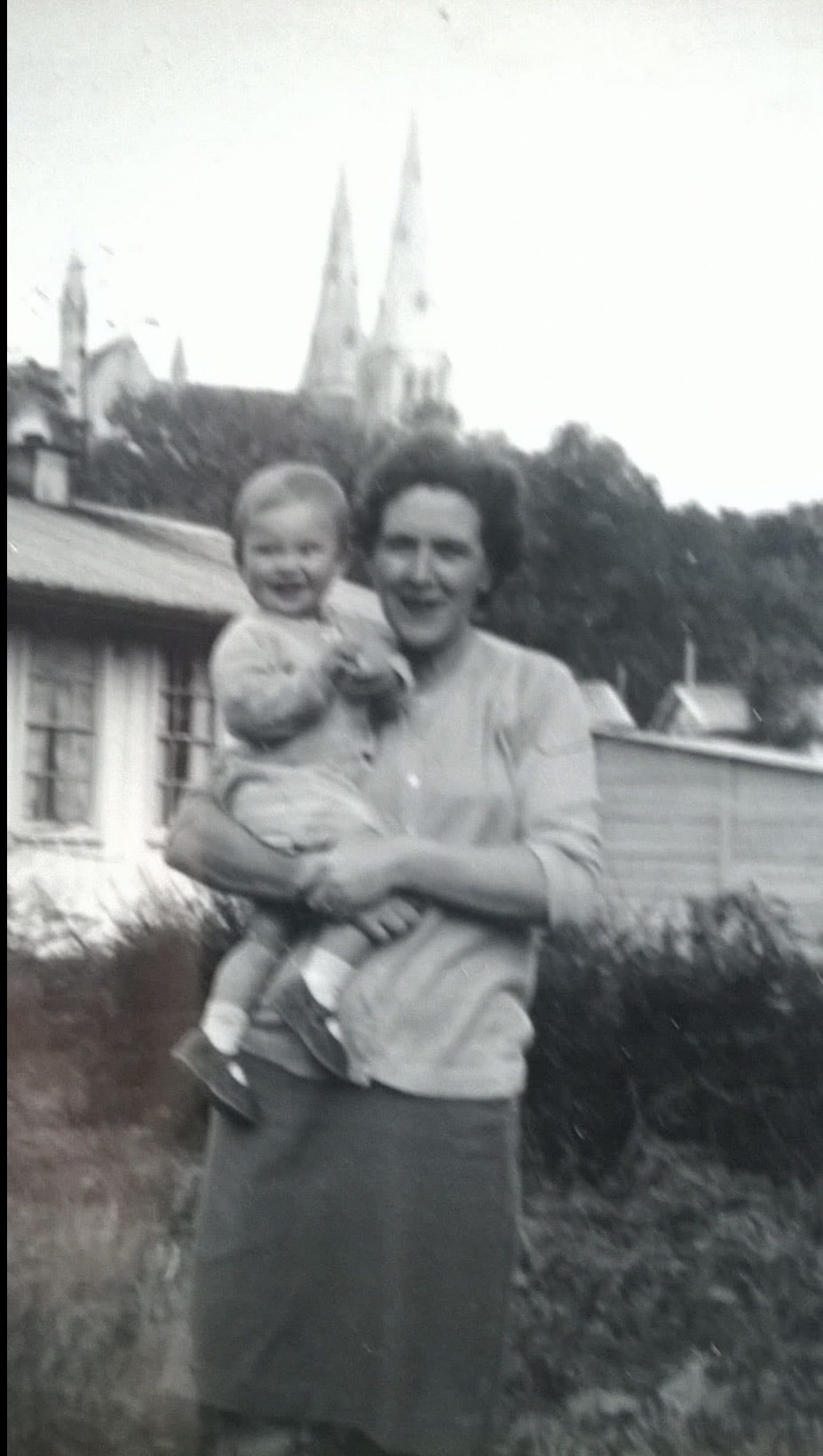
In the shadow of St Patrick’s Cathedral.
“At that time social housing wasn’t as stigmatised. People with different incomes lived there. But that didnt matter as the sense of community prevailed.
“The vast majority of houses built in the 1950s, 1960s and 1970s in Armagh by the council and the Housing Trust in areas such as Legar Hill, Callanbridge, Orangefield, The Folly and Drumarg were built with brick.
“So they referred to us as Tin Town as an insult. But I now look back on it fondly. I am happy to call us ‘Tin Town kids’. I think that’s a nice thing to say, but at that time we didn’t because it insinuated inferior accommodation.”
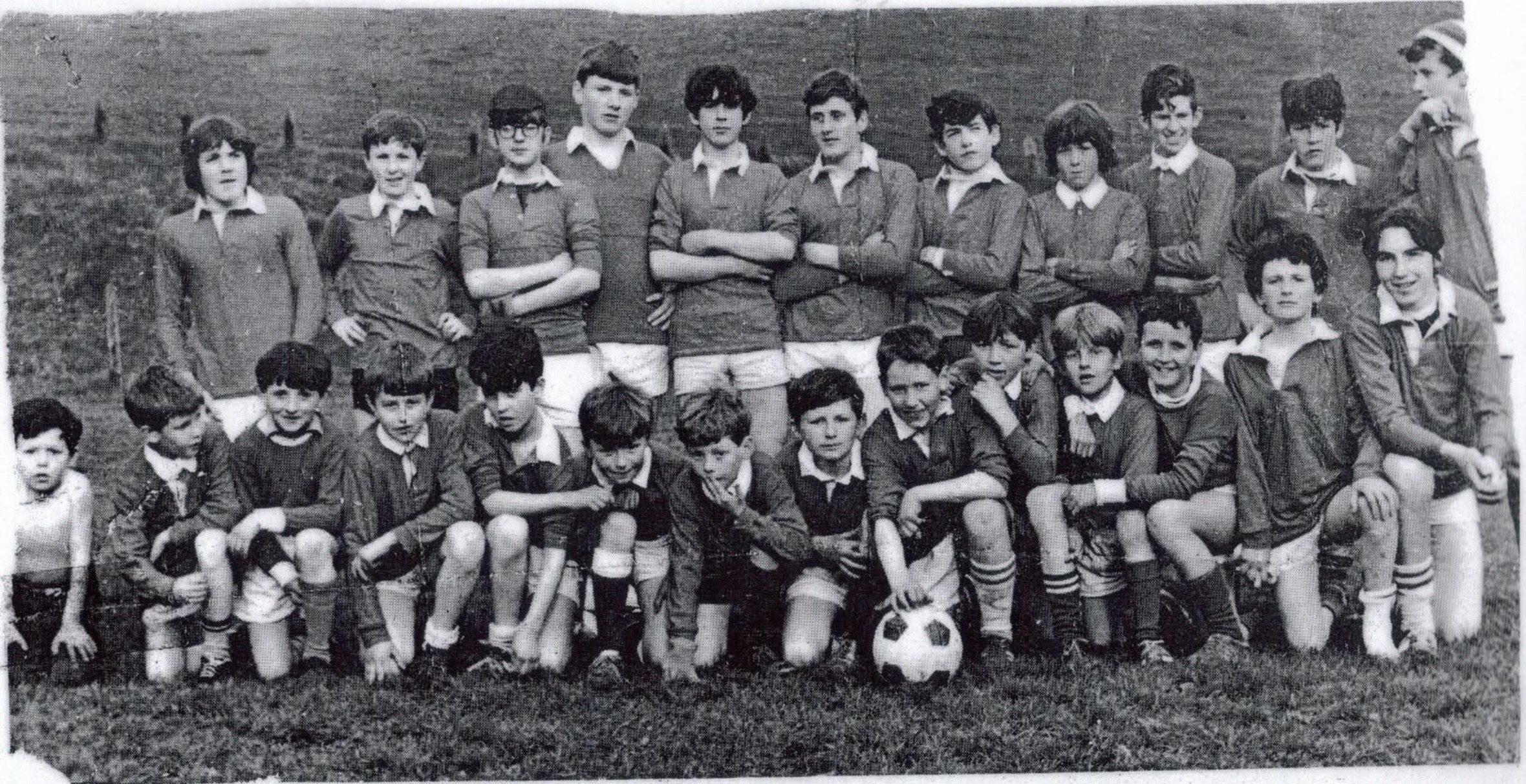
Paddy Gray and other young people formed a football team from the area.
While many of the pre-fabs from across Northern Ireland have gone, a fair few still remain. And Armagh certainly has proudly preserved its post-war provision.
Some now have been ‘upgraded’ with ‘brick skins’ and tiled roofs, converting them into something akin to semi-detached cottages.
And families have snapped them up through the NI Housing Executive’s ‘Right to Buy’ policy that offered substantial discounts to hold on to their memories and their roots.
Professor Gray ‘comes home’ as often as he can to Armagh and a visit back to Daire’s Willows is a privilege and a pleasure, always on his itinerary when he does.
“I still go up a lot, whenever I have a chance,” he added. “My brother bought the house. They were all bought through the ‘right to buy’.
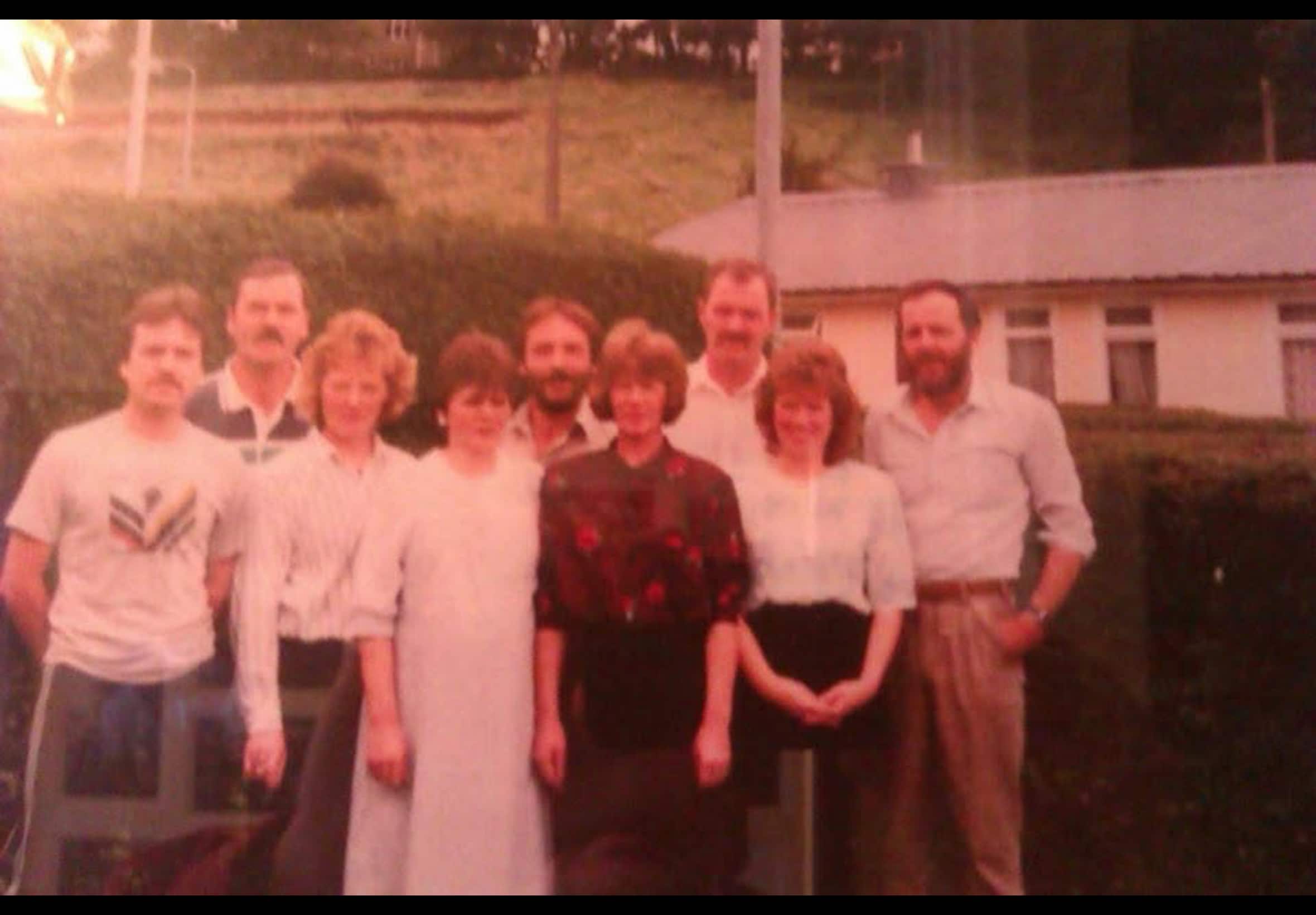
Memories of Daire’s Willows.
“We still have our house there and I can go up anytime I want. I would always go whenever I’m in Armagh; whether it’s for a meeting or whether it’s for a passing trip, I would always stop and go down and have a look around. I’m a proud Armachian.”
Given that they have survived and still thrive today, might there then be merit in pre-fabs as a means to addressing the often-reported ‘housing crisis’ we hear of with alarming frequency?
“That has been mooted,” said Professor Gray. “In the South, they are assembling houses off site and many are now being delivered this way. Where there is high housing demand and very little social housing available it certainly would help ease the current pressures.
“They would be a great alternative for people living in housing stress where they are in substandard accommodation, in overcrowded conditions and for those who are homeless.
“They weren’t just a feature of Armagh, they were in other parts of Northern Ireland as well.
“Many are still here and they’re still lived in. None of them empty. I think the vast majority of them are owned. It’s an incredible story. Im proud of being a Tin Town Kid!”
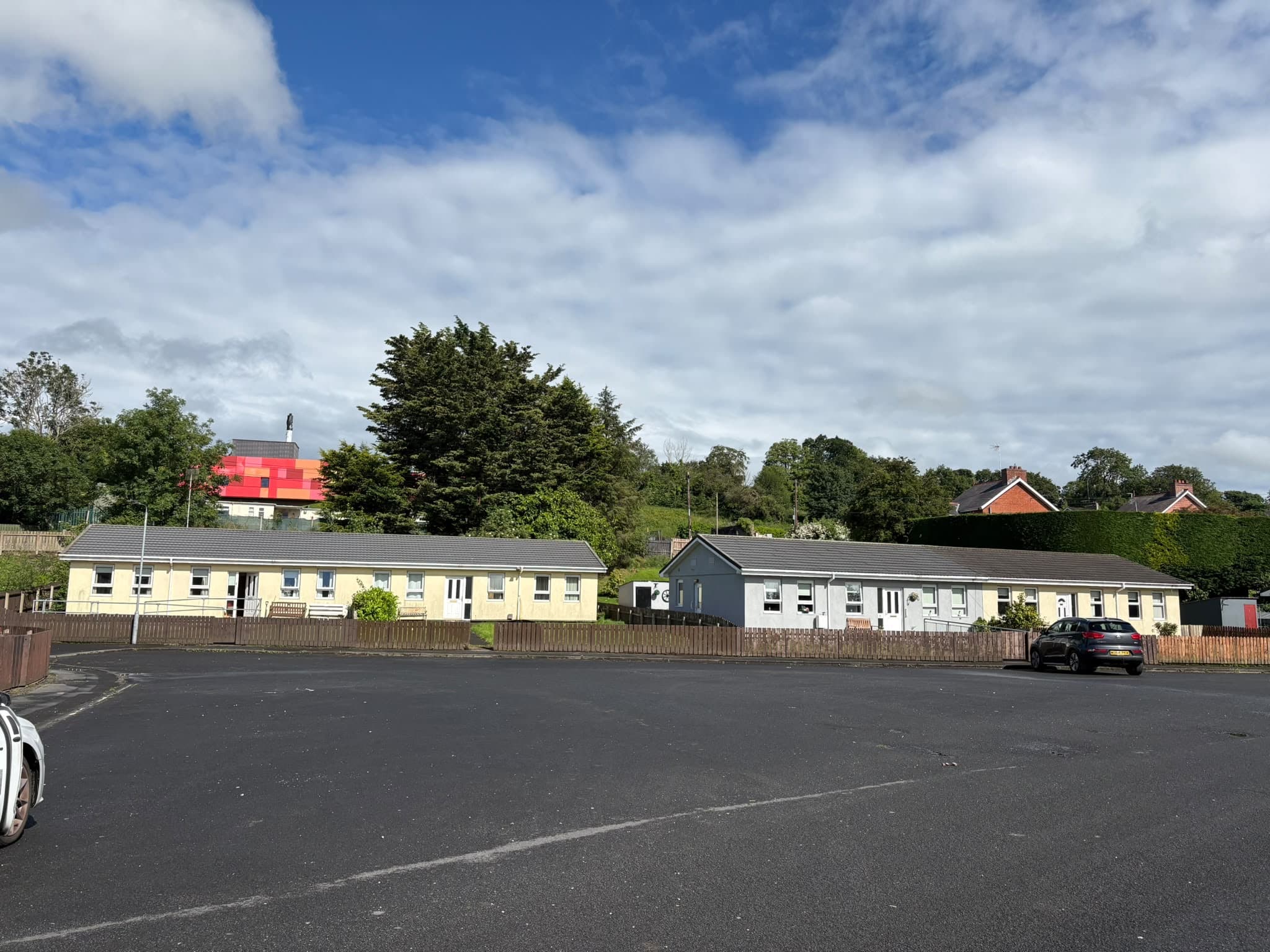
Lonsdale Gardens, as it is today.