The world of interior design is notorious for its revolving door of “must-have” looks. One minute we are all painting our floorboards grey, and the next, we are told that “maximalist clutter-core” is the only way to live. It can be exhausting—and expensive—to keep up.
However, seasoned designers look past the fleeting fads. They look for the “evergreens”: those design choices that offer a perfect marriage of aesthetics and utility. If you are looking to renovate your home in 2026, these are the trends that experts agree have moved beyond the “trend” label and into the realm of modern classics.
The Return to Natural Materials
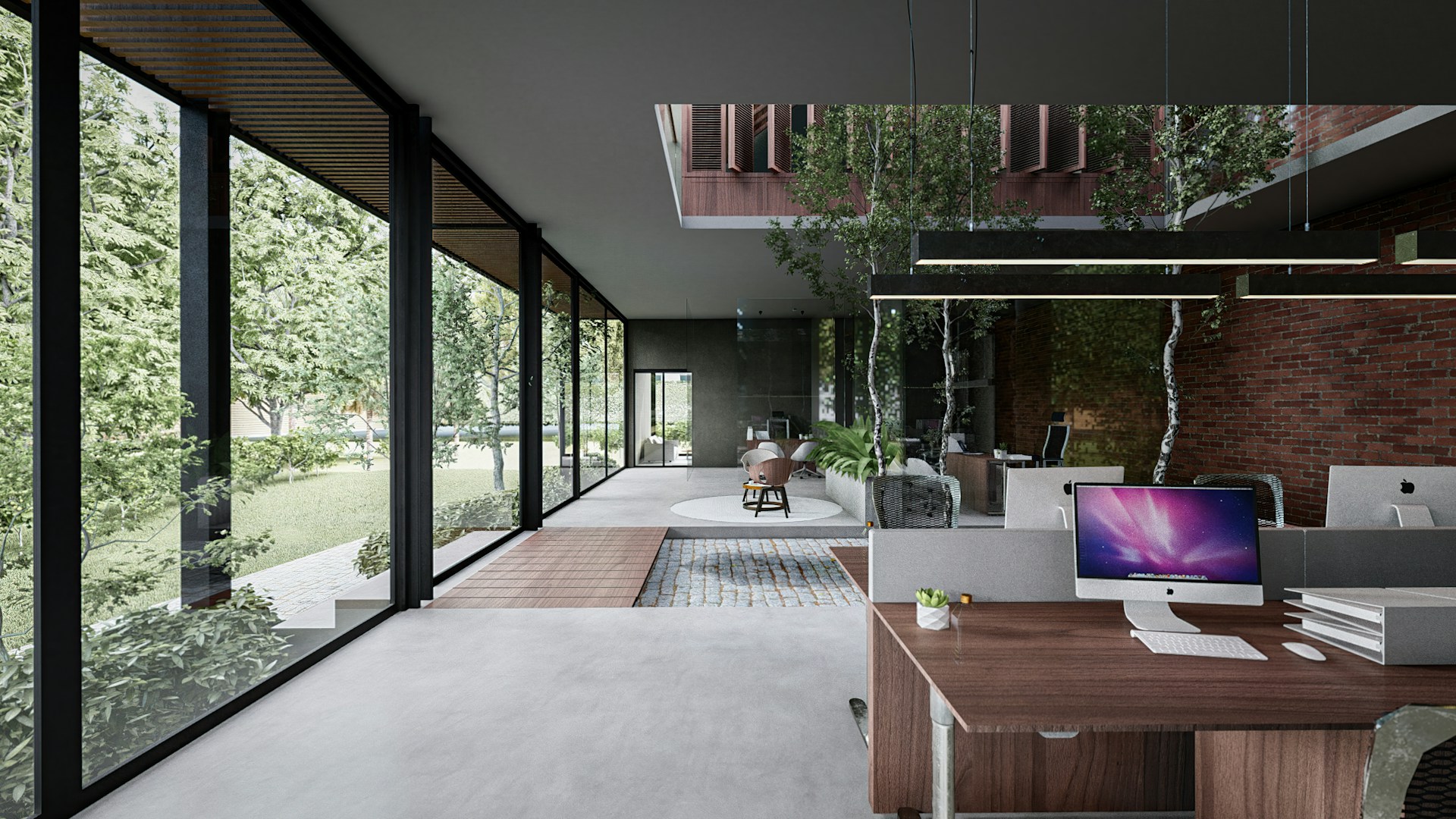
If there is one thing designers agree on, it’s that our obsession with the natural world isn’t going anywhere. This isn’t just about putting a spider plant in the corner; it’s about the very fabric of the home.
Biophilic design—the practice of connecting a space to nature—has become a cornerstone of British interiors. We are seeing a move away from cold, high-gloss synthetics in favour of:
- Tactile Stone: Think unpolished marble, travertine, and slate.
- Warm Woods: Oak and walnut are being used not just for floors, but for wall panelling and bespoke cabinetry.
- Organic Textiles: Linen, wool, and jute add a layer of “quiet luxury” that feels timeless rather than trendy.
Using natural materials ensures that a room ages gracefully. A plastic coffee table might look dated in two years, but a solid wood piece only gains character.
Intentional Minimalism and “Zoning”
The “minimalism” of the past—which often felt like living in a sterile art gallery—has evolved into something much more liveable. Designers now refer to this as Intentionalism. It’s about having fewer things, but ensuring those things are high quality and serve a purpose.
As our homes have become multi-functional spaces (offices, gyms, and sanctuaries), the way we organise them has changed. This is where clever storage solutions become the hero of the home. To maintain a clean, minimalist aesthetic without sacrificing accessibility, many designers are turning to sleek, integrated cabinetry.
For instance, in the bedroom, bulky freestanding furniture is being replaced by floor-to-ceiling setups. Incorporating sliding doors for wardrobes is a favourite trick among UK designers; they save an immense amount of floor space compared to traditional swing doors, making them ideal for the country’s often compact housing stock while maintaining a streamlined, high-end look.
Earthy, Grounded Colour Palettes
While “Peach Fuzz” or “Electric Blue” might have their moments in the spotlight, the palettes that designers truly trust are those rooted in the earth.
We are seeing a permanent shift toward:
- Terracotta and Rust: These tones add instant warmth to a North-facing room.
- Sage and Olive Green: These act as “new neutrals,” providing more personality than beige but remaining just as versatile.
- Mushroom and Taupe: These shades offer a sophisticated middle ground between the cold greys of the 2010s and the stark whites of the early 2020s.
These colours are “here to stay” because they promote a sense of calm and well-being—something homeowners are prioritising more than ever.
Sustainable and Second-Hand Soul
Sustainability is no longer a “niche” interest; it is the standard. Interior designers are increasingly moving away from “fast furniture” and toward pieces with a history.
Mixing vintage finds with modern staples gives a home a sense of soul that a showroom-bought set simply cannot replicate. Whether it’s a Mid-Century Modern sideboard found at a local fair or a refurbished Victorian armchair, these pieces provide a unique narrative.
Furthermore, the “circular economy” in design means that high-quality craftsmanship is back in vogue. People are now more likely to invest in a piece that can be repaired or reupholstered rather than something destined for a landfill.
Statement Lighting as Functional Art
In the past, lighting was often an afterthought—a single pendant in the middle of the room. Today, designers treat lighting as the “jewellery” of a space.
The trend that is sticking around is layered lighting. This involves a mix of:
- Ambient Lighting: The main source of light.
- Task Lighting: Focused light for reading or cooking.
- Accent Lighting: Used to highlight architectural features or artwork.
Sculptural light fixtures, particularly those made from brass, blackened steel, or hand-blown glass, are being used to create focal points. Even in a simple room, a stunning chandelier or a bold floor lamp can elevate the entire design.
Conclusion: Investing in Longevity
The common thread between all these trends is longevity. Whether it’s the space-saving elegance of wardrobe sliding doors or the calming influence of a sage-green wall, the focus has shifted from “what looks good on social media” to “what feels good to live in.”
By choosing natural materials, intentional storage, and a grounded colour palette, you create a home that doesn’t just look current today, but remains beautiful and functional for a decade to come.